Wheat
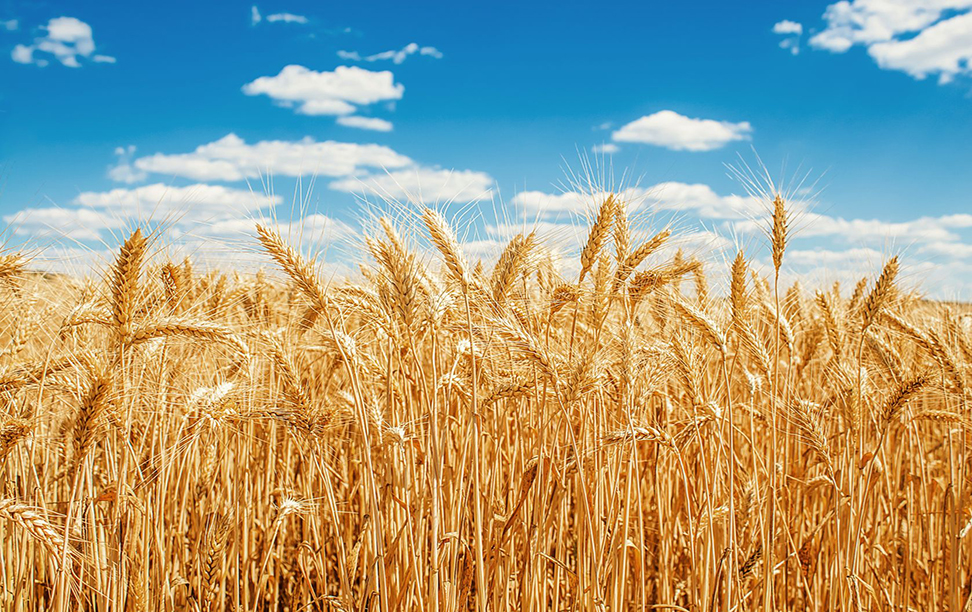
Wheat is the most important staple food crop in Pakistan, occupying the largest share of cultivated land and production. It is primarily grown as a Rabi crop across Punjab, Sindh, Khyber Pakhtunkhwa, and Balochistan. In certain colder regions of northern Balochistan, small areas of winter wheat are also cultivated. Wheat serves as the main source of food and nutrition for the population, making it the backbone of Pakistan’s agriculture. Despite continuous government initiatives and research efforts to boost yields, domestic production often falls short of national demand, leading to regular wheat imports to meet consumption needs.
Rice
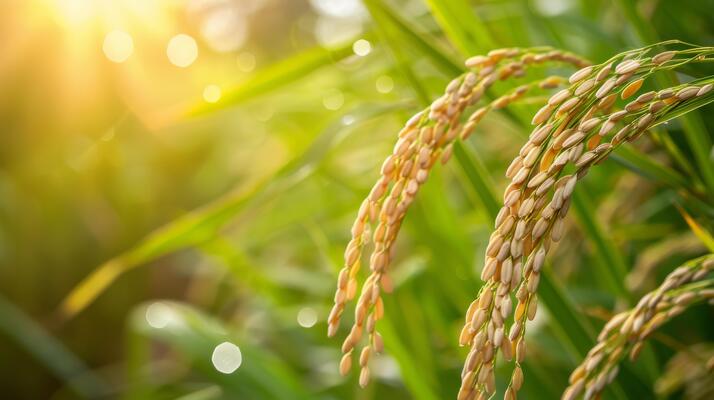
Rice is one of the most valuable food and cash crops of Pakistan, playing a vital role in the country’s agricultural economy. It contributes significantly to export earnings, rural employment, and national food security. Grown mainly in the fertile regions of Punjab, Sindh, and parts of Balochistan, rice cultivation provides livelihoods for millions of farmers. Pakistan is world-renowned for its Basmati rice, prized globally for its unique aroma, long grain, and superior cooking quality. In addition to Basmati, other non-Basmati varieties are also cultivated to meet domestic consumption and international demand.
Sugarcane
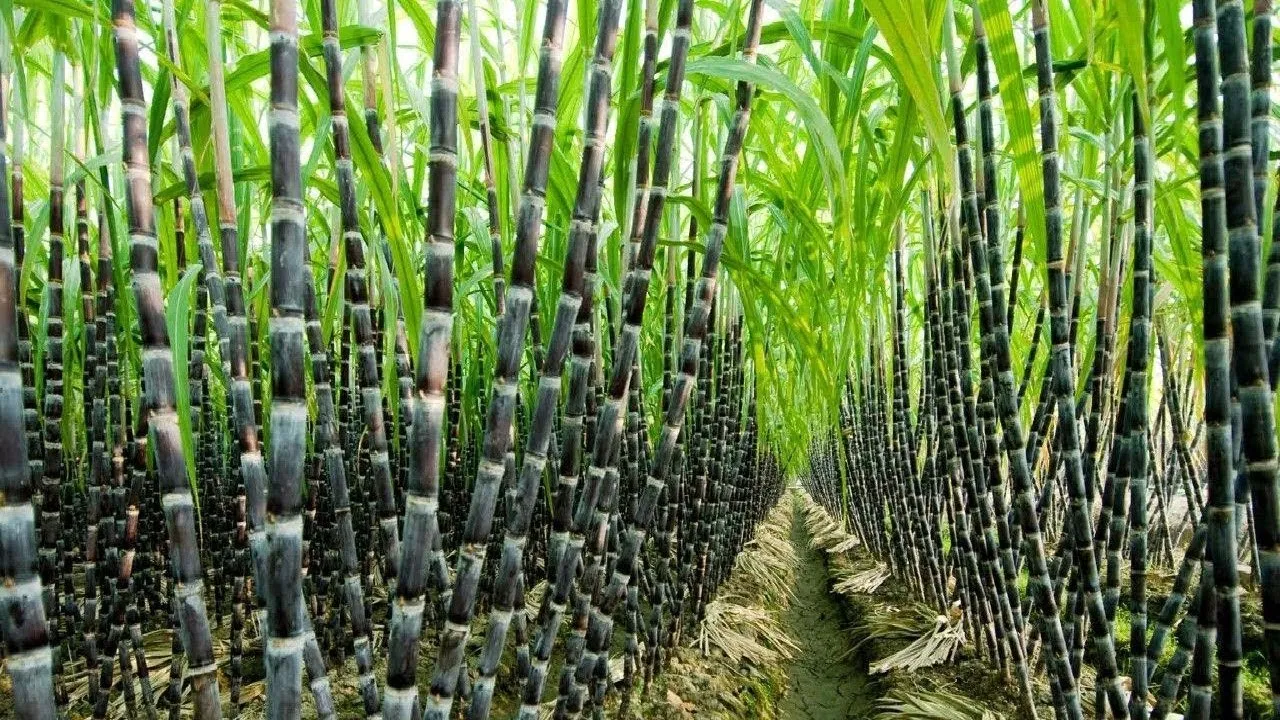
Sugarcane is a vital cash crop of Pakistan, cultivated primarily for the production of sugar and other sugary products. It plays a significant role in supporting the livelihoods of farming communities and contributes greatly to the rural economy. Beyond sugar, sugarcane serves as a raw material for several industries, including chipboard, paper, confectionery, chemicals, plastics, paints, synthetics, fibers, insecticides, and detergents. The crop’s by-products are also used for fodder and biofuel production, adding to its economic value. Over the years, sugarcane production in Pakistan has shown steady growth, reflecting its importance in both agriculture and industry.
Cotton
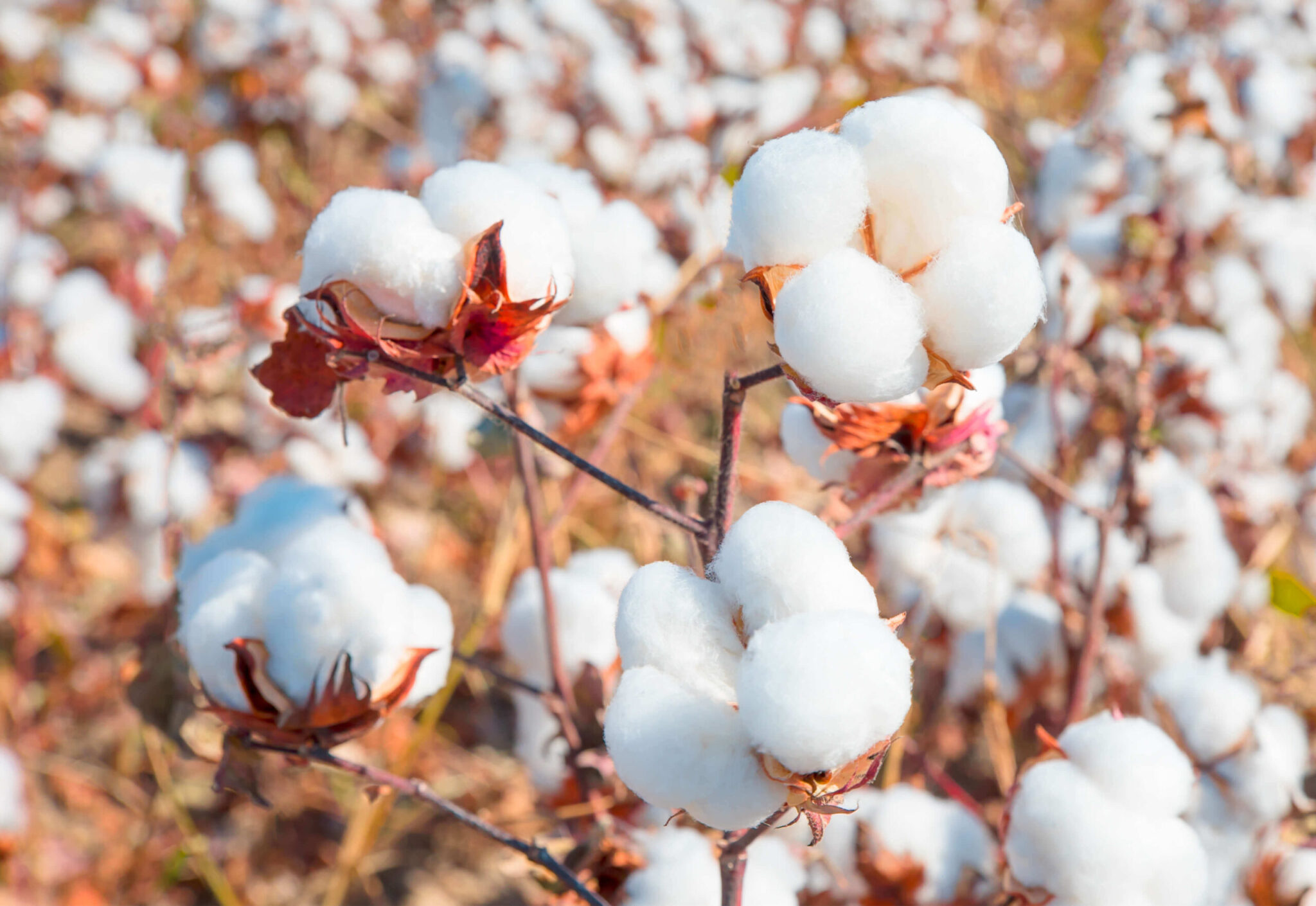
Cotton is the most important cash crop of Pakistan and serves as the backbone of the country’s textile industry. Pakistan is ranked among the world’s leading cotton producers and holds the third-largest cotton spinning capacity in Asia, after China and India. The crop supports thousands of ginning and spinning units that produce yarn, fabric, and other textile goods for both domestic use and export. Cotton is not only crucial for the national economy but also a primary source of income for millions of farming households. By improving per-acre yields and adopting modern agricultural practices, the livelihoods of nearly 1.5 million smallholder farmers who depend on cotton cultivation can be significantly enhanced.
Potato
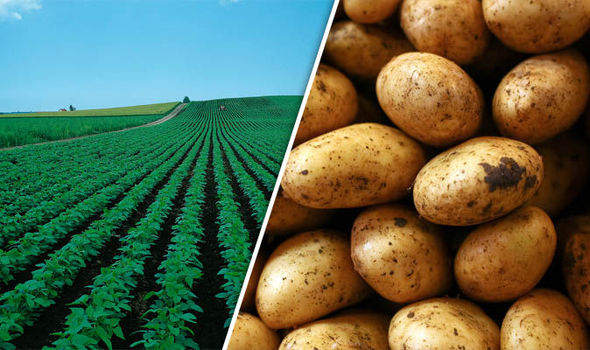
Potato is one of the major edible and profitable crops of Pakistan, ranking as the fourth most important crop after wheat, rice, and maize. Pakistani farmers show great interest in cultivating reliable potato varieties, especially from high-quality and certified seed sources. Potatoes are often regarded as a complete diet, as they are rich in starch while also providing essential vitamins, minerals, and proteins. Due to its adaptability and short growing cycle, the potato crop can produce significantly higher yields per unit area compared to many other crops, making it a vital contributor to both food security and farmer incomes in Pakistan.
Maize
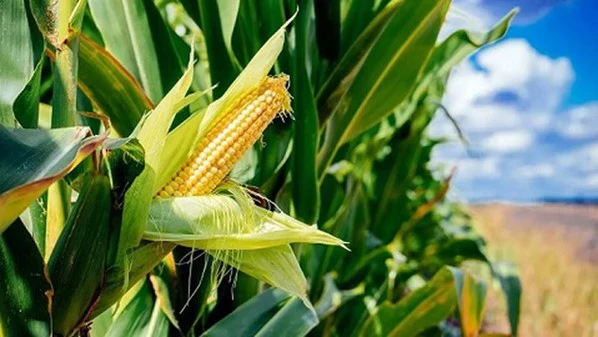
Maize is the third most important cereal crop in Pakistan after wheat and rice, and it holds a vital place in the country’s agriculture. Widely recognized as a versatile crop, maize is used as food, animal feed, and a raw material for various industries worldwide. In many developing countries across Asia and Africa, maize plays a significant role in ensuring food security. Known as “the other gold”, maize is valued for its diverse industrial applications, ranging from starch and oil production to use in beverages and biofuels. With its high per-acre yield potential, maize provides economic support and subsistence to a large population. In recent years, maize grains have also gained popularity as novelty foods, adding to their importance in modern diets.